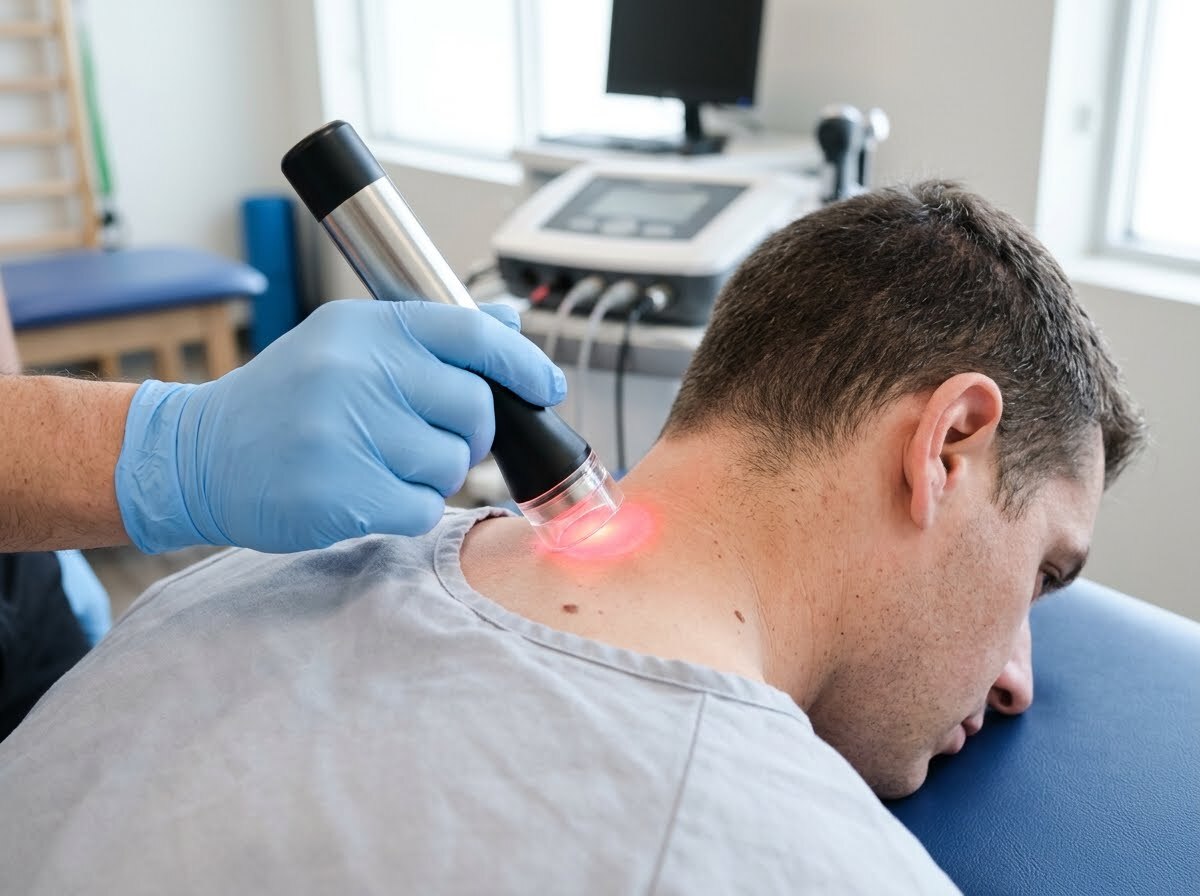
Laser Therapy in Mint Hill, NC
Noninvasive Pain Relief, Inflammation Management, and Tissue Recovery
Pain, inflammation, and soft-tissue injuries can make even simple daily activities uncomfortable. Whether you are recovering from a sports injury, experiencing persistent muscle discomfort, or managing chronic joint pain, finding a treatment that supports healing without surgery or injections can make a meaningful difference in your recovery.
At Advanced Pain And Rehab in Mint Hill, North Carolina, we offer therapeutic laser treatment, also known as cold laser therapy or low-level laser therapy (LLLT), as part of our comprehensive approach to pain management and rehabilitation.
Laser therapy uses specific wavelengths of light to stimulate cellular processes associated with tissue recovery, pain modulation, and inflammation management. This noninvasive treatment can help patients improve comfort, restore movement, and participate more effectively in rehabilitation.
Led by Dr. Doug Jordan, D.C., our experienced team develops personalized treatment plans that address each patient's symptoms, functional limitations, and long-term wellness goals.
What Is Laser Therapy?
Laser therapy is a noninvasive treatment that uses focused light energy to interact with tissues beneath the skin. In rehabilitation settings, it is commonly referred to as cold laser therapy, low-level laser therapy, or photobiomodulation therapy.
Unlike surgical lasers that cut or remove tissue, therapeutic cold lasers are designed to produce biological effects without intentionally heating or damaging the treatment area.
The light energy is absorbed by molecules within cells, activating biological responses that can influence cellular metabolism, inflammation, and pain signaling.
Laser therapy is used as a complementary treatment for selected musculoskeletal conditions, particularly those involving muscles, tendons, joints, and soft tissues.
How Does Laser Therapy Work?
Laser therapy operates through a biological process called photobiomodulation.
When specific wavelengths of red or near-infrared light reach targeted tissues, light-sensitive molecules absorb the energy and initiate cellular responses.
One important area of research involves the mitochondria, which help cells produce energy needed for normal biological functions.
Photobiomodulation can influence several processes associated with tissue health and recovery.
Cellular Energy Production
Light absorption can affect mitochondrial activity and cellular energy metabolism, supporting processes involved in normal tissue function and repair.
Inflammation Regulation
Laser therapy can influence inflammatory signaling pathways, potentially helping manage discomfort associated with certain musculoskeletal conditions.
Pain Modulation
Photobiomodulation can affect biological mechanisms involved in pain perception, offering a nonpharmacological approach to symptom management.
Tissue Recovery
Research suggests that appropriately delivered light therapy can influence cellular activity involved in soft-tissue repair and collagen production.
Improved Functional Recovery
By helping manage discomfort, laser therapy can make it easier for some patients to participate in stretching, strengthening, and other rehabilitation activities.
The effectiveness of treatment depends on the condition, wavelength, dosage, treatment frequency, and individual patient response.
What Conditions Can Laser Therapy Help Treat?
At Advanced Pain And Rehab, laser therapy can be considered for patients experiencing musculoskeletal pain, soft-tissue injuries, and certain chronic conditions.
A thorough evaluation helps determine whether laser therapy is appropriate and how it can complement other rehabilitation services.
Neck Pain and Muscle Tension
Neck pain frequently develops from prolonged computer use, poor workstation ergonomics, repetitive movements, muscle strain, and cervical spine conditions.
Symptoms can include stiffness, limited range of motion, muscle tightness, and discomfort extending into the shoulders.
Low-level laser therapy has been studied as a treatment for certain types of neck pain, with evidence suggesting that appropriately delivered treatment can help reduce pain in selected patients.
At Advanced Pain And Rehab, laser therapy can complement therapeutic exercises and neck pain treatment strategies.
Lower Back Pain and Muscle Strain
Lower back pain is one of the most common reasons adults seek musculoskeletal care.
Pain can develop from muscle strain, repetitive lifting, prolonged sitting, physical overexertion, or underlying spinal conditions.
Laser therapy can be incorporated into a comprehensive rehabilitation program to help manage soft-tissue discomfort and support functional improvement.
Because the evidence for low-level laser therapy in lower back pain is mixed, it is generally best considered as an adjunct to active rehabilitation rather than a stand-alone solution.
Shoulder Pain and Rotator Cuff Irritation
Shoulder pain can interfere with lifting, reaching, exercising, and sleeping comfortably.
Common causes include muscle strain, rotator cuff tendinopathy, repetitive overhead activity, and irritation of surrounding soft tissues.
Laser therapy can be considered as part of a conservative treatment plan for selected shoulder conditions.
Treatment goals include managing discomfort, improving movement tolerance, and supporting rehabilitation exercises designed to restore strength and shoulder function.
Knee Pain and Joint Stiffness
Knee discomfort can result from overuse, tendon irritation, degenerative joint changes, and previous injuries.
Photobiomodulation has been investigated for managing symptoms associated with knee osteoarthritis and other musculoskeletal conditions.
Some clinical studies have reported improvements in pain and physical function, particularly when laser therapy is combined with exercise.
Laser therapy does not rebuild damaged cartilage or reverse advanced arthritis, but it can be considered as one component of a broader knee pain symptom-management program.
Arthritis and Chronic Joint Discomfort
Arthritis can cause persistent stiffness, tenderness, swelling, and difficulty performing daily activities.
Low-level laser therapy has been studied for certain inflammatory and degenerative joint conditions.
For selected patients, treatment can provide an additional noninvasive option for managing discomfort alongside therapeutic exercise, mobility training, and other conservative interventions.
Treatment recommendations depend on the type of arthritis, affected joints, and severity of symptoms.
Tendonitis and Repetitive Strain Injuries
Repetitive movements and excessive mechanical loading can contribute to tendon irritation and persistent soft-tissue pain.
Common examples include:
- Tennis elbow and golfer's elbow
- Achilles tendinopathy
- Patellar tendon pain
- Shoulder tendon irritation
- Wrist and forearm overuse injuries
Laser therapy can be incorporated into a rehabilitation plan to help manage pain and improve tolerance for progressive strengthening exercises.
Sports Injuries and Soft-Tissue Recovery
Athletes and active individuals frequently experience muscle strains, tendon injuries, and other soft-tissue conditions.
Laser therapy can be used as an adjunct to rehabilitation for selected injuries, helping address discomfort while patients work toward restoring strength, flexibility, and movement.
At Advanced Pain And Rehab, treatment can complement sports injury rehabilitation programs designed around each patient's activity level and recovery goals.
Benefits of Laser Therapy for Pain Management
Therapeutic laser treatment offers several advantages for patients seeking conservative approaches to pain relief and rehabilitation.
Noninvasive and Needle-Free Treatment
Laser therapy is delivered externally through the skin. Treatment does not require injections, incisions, or surgical procedures.
Comfortable Treatment Experience
Cold laser therapy is generally comfortable and does not intentionally produce significant tissue heating. Many patients experience little or no sensation during treatment.
No Routine Recovery Downtime
Most patients can return to their normal daily activities immediately after a session, subject to restrictions related to their underlying injury.
Drug-Free Treatment Option
Laser therapy offers an additional approach to managing certain musculoskeletal symptoms without requiring medication as part of the procedure.
Complements Physical Rehabilitation
Laser therapy can be integrated with stretching, corrective exercises, chiropractic care, and other conservative treatments.
Personalized to Individual Needs
Treatment parameters and session frequency can be selected based on the condition, affected tissues, and individual response.
What to Expect During a Laser Therapy Appointment
Understanding the treatment process can help patients feel more comfortable when beginning laser therapy at Advanced Pain And Rehab.
Step 1: Comprehensive Evaluation
Your appointment begins with an assessment of your symptoms, medical history, previous injuries, and treatment goals. Our team evaluates the affected area and determines whether laser therapy is an appropriate component of your care plan.
Step 2: Preparing the Treatment Area
The targeted area is positioned so the laser device can be applied safely. Depending on the equipment and treatment protocol, the applicator may be held against the skin or positioned just above the treatment area. Appropriate protective eyewear is used according to the device manufacturer's safety requirements.
Step 3: Applying Therapeutic Light
The device delivers specific wavelengths of light to the treatment area. Most cold laser therapy sessions are comfortable. Patients typically experience little sensation, although the experience can vary depending on the equipment. Treatment time depends on the size of the affected area, the condition being addressed, and the prescribed dosage.
Step 4: Returning to Daily Activities
Following treatment, most patients can resume routine activities without a special recovery period. Your provider may recommend stretching, strengthening, activity modifications, or additional rehabilitation treatments to support your progress.
Step 5: Monitoring Treatment Progress
Improvement is assessed through changes in pain, range of motion, activity tolerance, and overall function. Some patients notice symptom changes within the first several sessions, while others require a longer treatment course. Your care plan can be adjusted based on your response and rehabilitation goals.
How Many Laser Therapy Sessions Will I Need?
The recommended number of sessions depends on several factors, including the underlying condition, symptom duration, severity of tissue irritation, and response to treatment.
Recent muscle strains and other acute conditions can require a different approach than persistent tendon problems or chronic joint discomfort.
Laser therapy is commonly delivered as a series of treatments rather than a single appointment.
During your evaluation, our team will explain the recommended frequency of visits and how progress will be measured.
Who Is a Good Candidate for Laser Therapy?
Laser therapy can be appropriate for patients seeking conservative treatment for selected musculoskeletal conditions.
Potential candidates include individuals experiencing chronic muscle discomfort, certain tendon injuries, neck or shoulder pain, joint stiffness, and activity-related soft-tissue symptoms.
It can also be considered for patients participating in rehabilitation programs who need additional support for symptom management.
However, laser therapy is not appropriate for every condition.
Treatment requires special precautions in certain situations, including direct exposure to the eyes, suspected malignancy in the treatment area, and other medical circumstances requiring individualized assessment.
Patients should disclose relevant medical conditions, medications, pregnancy status, and previous treatments before beginning therapy.
Laser Therapy vs. SoftWave TRT: Understanding the Difference
Although both treatments are noninvasive and used in musculoskeletal rehabilitation, laser therapy and SoftWave TRT use different technologies and produce different biological effects.
| Laser Therapy | SoftWave TRT |
|---|---|
| Uses red or near-infrared light energy | Uses acoustic pressure waves |
| Works through photobiomodulation | Works through mechanical stimulation and mechanotransduction |
| Generally produces little physical sensation | Commonly produces tapping or pulsing sensations |
| Can help manage selected muscle, tendon, and joint symptoms | Can help manage selected tendon, plantar fascia, and other musculoskeletal conditions |
| Can complement exercise and rehabilitation | Can complement exercise and rehabilitation |
Neither treatment is universally superior. The most appropriate option depends on the diagnosis, treatment goals, available evidence, and individual medical circumstances.
At Advanced Pain And Rehab, our team can help patients understand which conservative treatment options best fit their needs.
Why Choose Advanced Pain And Rehab for Laser Therapy in Mint Hill?
At Advanced Pain And Rehab, we believe effective pain management begins with understanding the individual rather than focusing exclusively on symptoms.
Our approach emphasizes personalized care, functional improvement, and practical strategies that help patients remain active.
Experienced Chiropractic and Rehabilitation Care
Dr. Doug Jordan, D.C., brings more than 20 years of clinical experience to patient care, with an emphasis on identifying contributing factors and developing individualized wellness strategies.
Comprehensive Treatment Options
Our office offers multiple conservative services, allowing patients to receive coordinated care based on their individual needs. Treatment plans can incorporate laser therapy alongside chiropractic care, corrective exercises, and other rehabilitation services.
Focus on Long-Term Mobility
Our goal is to help patients improve physical function, manage recurring discomfort, and develop habits that support continued mobility.
Convenient Care for Mint Hill and Surrounding Communities
Advanced Pain And Rehab serves individuals and families throughout Mint Hill, Matthews, Charlotte, and nearby North Carolina communities. Whether you are managing persistent muscle discomfort, recovering from an injury, or exploring additional conservative treatment options, our team is committed to helping you make informed decisions about your care.
Schedule Your Laser Therapy Consultation in Mint Hill, NC
If muscle pain, joint stiffness, or a lingering injury is affecting your comfort and mobility, laser therapy can be one option to consider as part of a comprehensive rehabilitation plan.
At Advanced Pain And Rehab, our team will evaluate your concerns, explain available treatment options, and help develop a personalized approach focused on improving your daily function.
Take the next step toward better movement and lasting wellness. Contact Advanced Pain And Rehab today at (704) 545-7700 to learn more about laser therapy in Mint Hill, North Carolina.
Frequently Asked Questions About Laser Therapy
What Is Cold Laser Therapy Used For?
Cold laser therapy is used to help manage selected musculoskeletal conditions, including certain types of neck pain, tendon discomfort, joint pain, and soft-tissue injuries. Treatment is often combined with rehabilitation exercises and other conservative therapies.
Is Laser Therapy Painful?
Cold laser therapy is generally comfortable. Most patients feel little or no sensation during treatment because the light is delivered without intentionally heating or damaging tissue.
Is Laser Therapy Safe?
Laser therapy is generally well tolerated when performed using appropriate equipment, treatment parameters, and safety precautions. Protective eyewear and careful screening for contraindications are important.
How Long Does a Laser Therapy Session Take?
Session length varies depending on the treatment area, equipment, and prescribed dosage. Your provider will explain the expected treatment time during your appointment.
How Soon Will I Feel Results From Laser Therapy?
Some patients notice changes in discomfort after several treatments, while others experience gradual improvement. Results depend on the condition, severity of symptoms, and individual response.
Can Laser Therapy Help With Arthritis?
Low-level laser therapy has shown potential for reducing pain and improving function in selected patients with knee osteoarthritis. It does not cure arthritis or reverse structural joint damage.
Can Laser Therapy Help With Nerve Pain?
Photobiomodulation is being studied for certain neuropathic pain conditions. Evidence varies considerably by diagnosis, and laser therapy should not replace appropriate evaluation for numbness, weakness, or progressive neurological symptoms.
Can Laser Therapy Be Combined With Chiropractic Adjustments?
Yes. When appropriate, laser therapy can be included in a treatment plan that also incorporates chiropractic care, stretching, strengthening, and other rehabilitation techniques.
Is Laser Therapy Better Than SoftWave TRT?
The treatments use different forms of energy and have different clinical applications. The best choice depends on the underlying condition, available research, and individual treatment goals.
Does Insurance Cover Laser Therapy?
Insurance coverage varies by provider and policy. Some therapeutic laser treatments are considered elective or are not covered. Contact Advanced Pain And Rehab at (704) 545-7700 for current payment information.